
The Konso Community:

We arrived in Arba Minch and drove south to the UNESCO World Heritage Site of the Konso Community. This was going to be my first stop in a series of communities I would visit, including the Hamar and Dorze tribes.
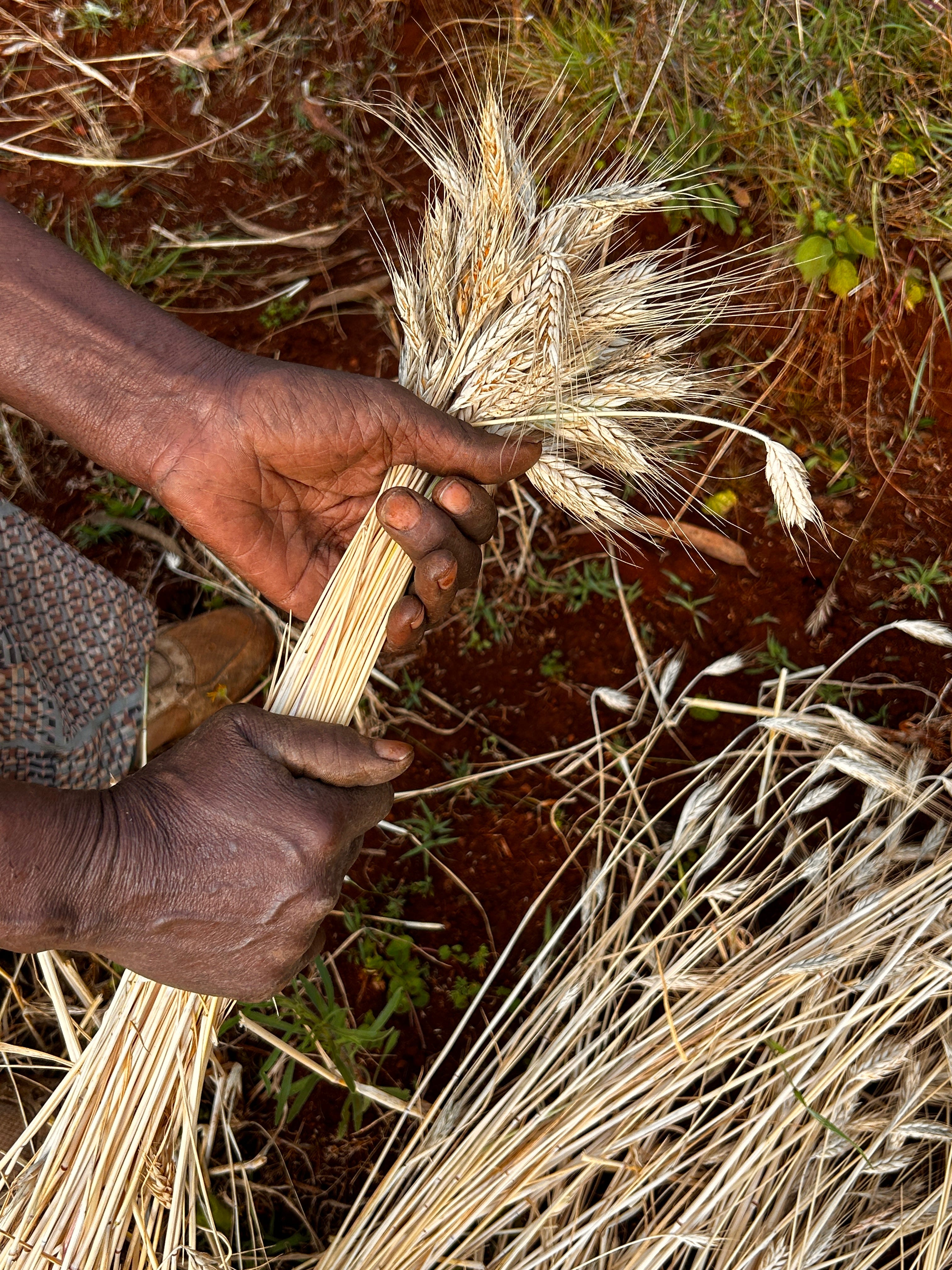
The Konso are mainly a pastoral tribe, famed for their immaculately constructed terraced fields. They plant maize, sorghum, wheat and millets for consumption and for trade. The stone-terraced hills have been built over the centuries, enabling a robust farming system and preventing erosion.


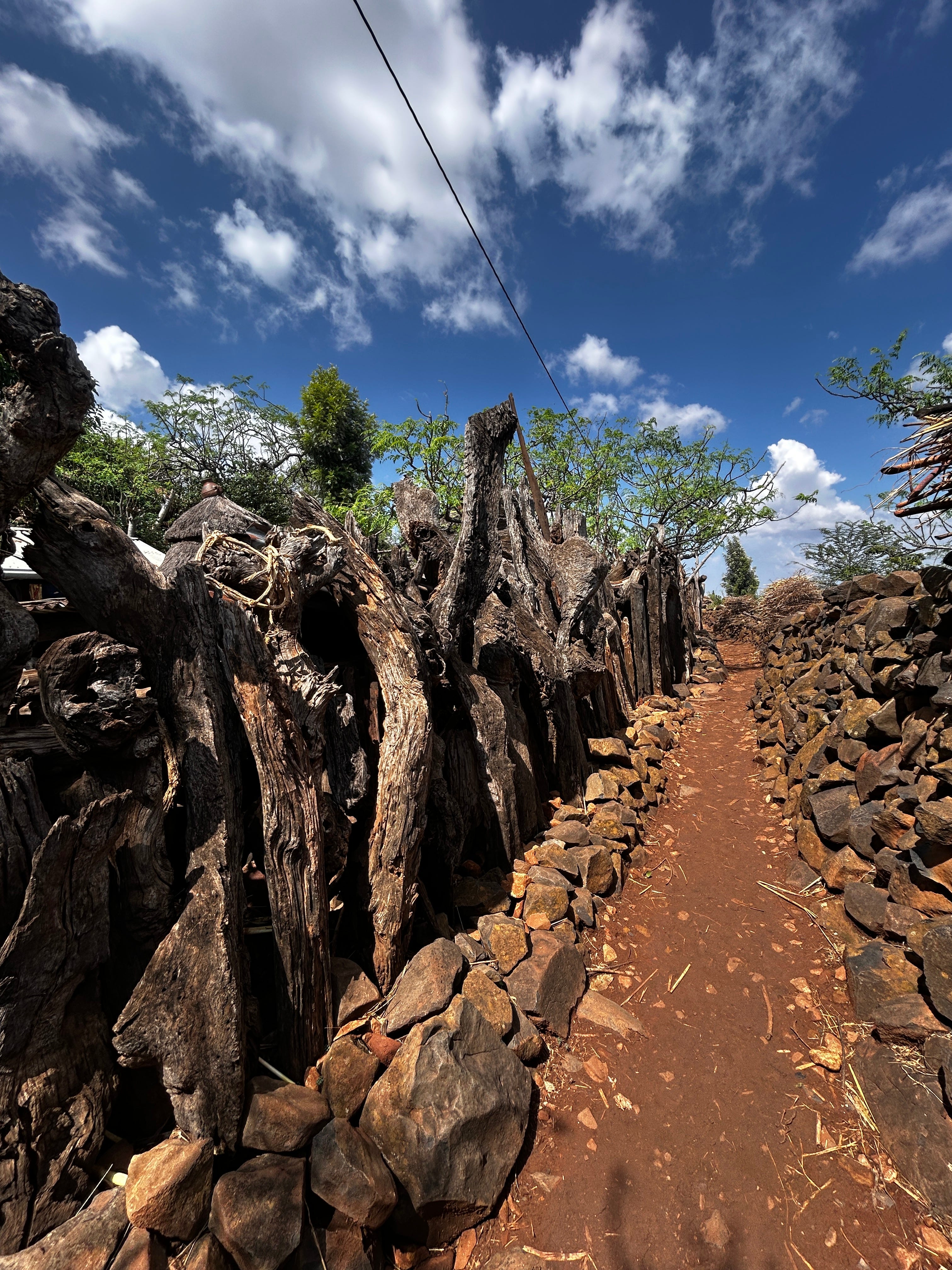
The Konso villages are significant, especially for their construction. The community is based on an age-based system, and the social structure of the village is based on age. The oldest part of the village began in the centre, a short, about 4-foot stone wall built around the initial circular settlement. As the family grows, only the firstborn son inherits the house and lives with his parents. The other siblings must at some point leave the house, and they set up a second community outside the first circle in a second concentric c circle. All concentric circles must share common features, the most important being three unique entrances, the main entrance to welcome people, the second entrance to bring water, and the third entrance for the toilet. So, within this network of narrow paths and lanes, which sometimes feel like a maze, is a unified structure. Talking of a maze, the lanes are built with low stone walls and are narrow for protection against invaders.


Now, let’s talk a bit about the community’s social structure and how it is managed. The second most interesting aspect of the community is their age-based system for regulation. Adolescents, between the ages of 12 and 18 live together in the community center. They move out of their homes and sleep here, together. This helps them build bonds that will help them going forward. At the age of 18, there is a ceremony that will “graduate’ them to become responsible members of the community. They will be responsible for all descicions for the community as a body for the next 18 years after which they retire, yielding the role to the next generation. This cycle is repeated every 18 years. The older members retire and spend their days in the community hut chatting and playing games.

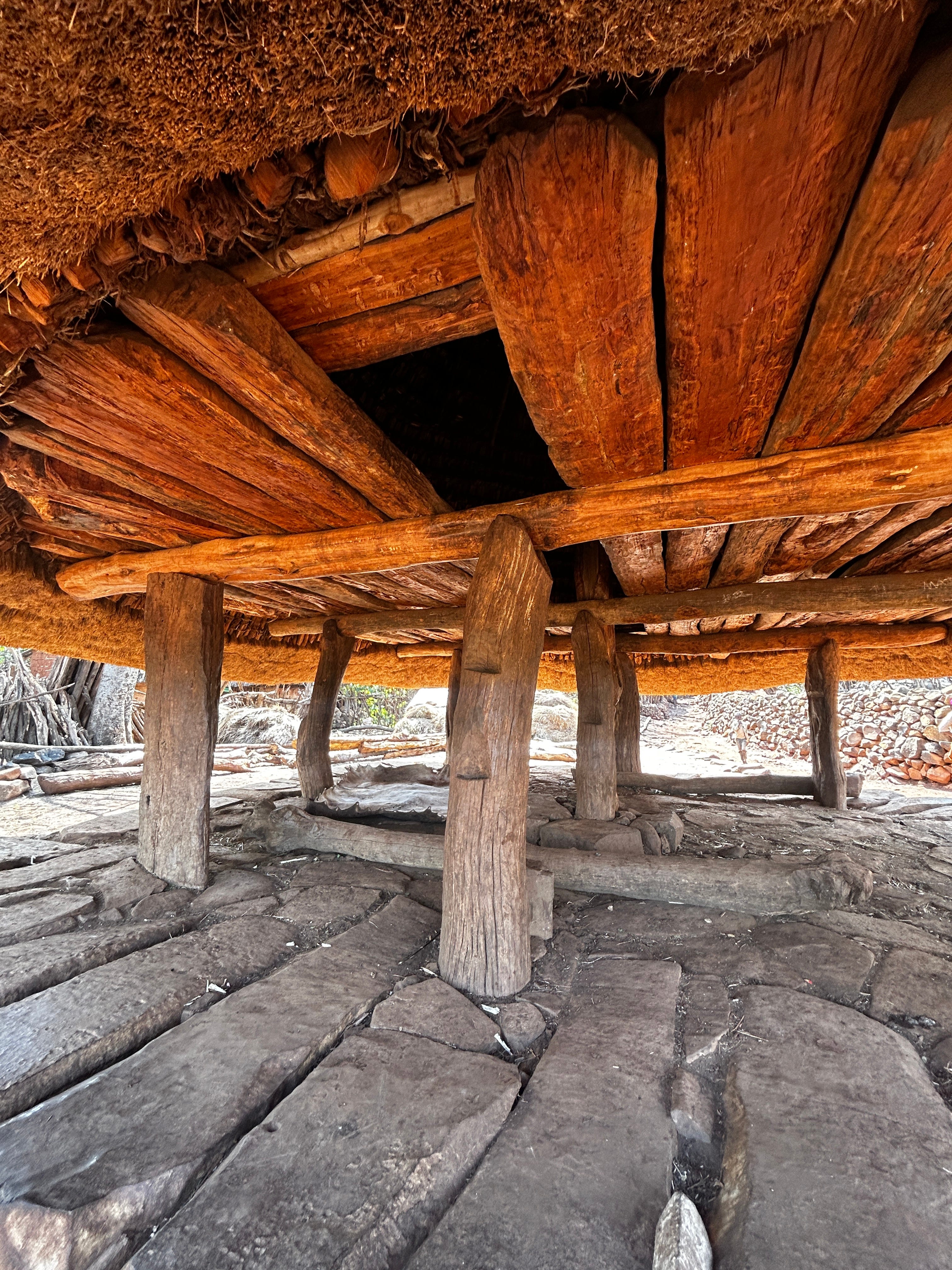
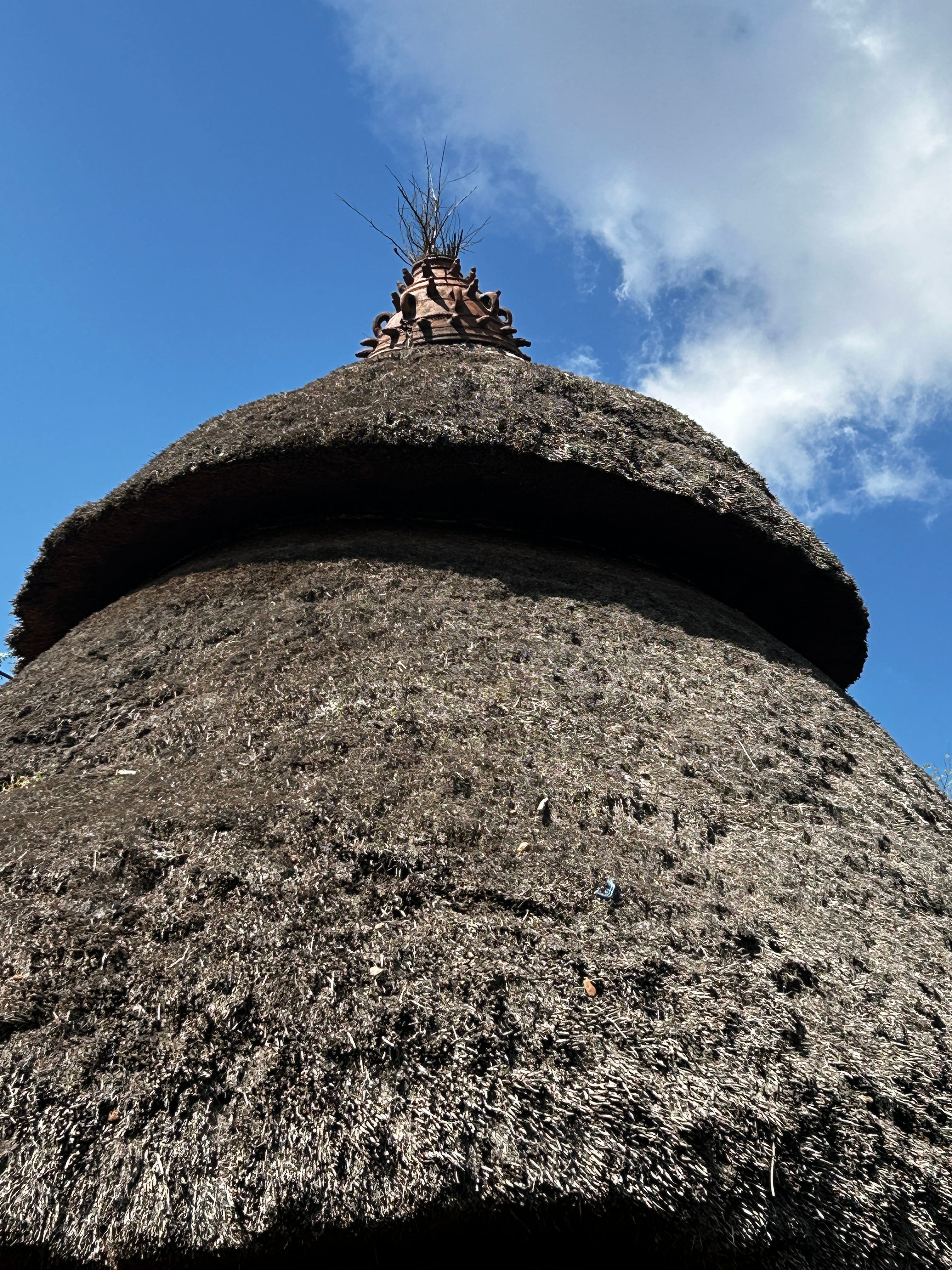
At the centre of the village is the Community center, usually the largest building in the village. There can be multiple Community centres in the village, depending on its size. The front is always an open small field, where the elders and community members gather for meetings and celebrations. The Community centre is built on stilts, with a hole in the centre for thenadolecents to climb into and sleep for the night.The stilts are notched to make the climb easier. At the top of the Community centre is a huge dome, the “phallic symbol” that symbolises that the space is reserved for males only.
Every 18 years when there is a change of guard, if you may, when the new adults retire out the older males, a huge celebration is observed, this is a joyous occasion, a time for new ideas, now blood and new leadership. One of the most important rituals is that the batch of newcomers must go out to the forest and cut down a juniper tree, and bring it back to the community centre. This tree must be taller that that of the previous year, to signify growth and betterment. It is tied to the older trees, the thickness of the juniper tree bunch indicating the age of the village. The trying together is significant too, it shows that the village, including the new community members stand in unity with the villages, its traditions, and its ethics. I found this so beautiful, within a simple ritual lies such deep meaning.


As I was admiring the field and structure of the Community centre, a young boy, about 14, showed up, picked up the stone, and attempted to throw it over his head. I was confused by this behaviour until then local guide explained it is one of the rituals for “graduation” from adolescence to adulthood. A young man, usually at the age of 18 should be easily be able to pick up the stone, weighing about 10 kg, and toss it over his head backwards. This young boy was attempting this, way too early, a bit of showing off for the tourist, but it lead me to understand this ritual.

In this complex social structure are the village elders who attain this title after years of experience. He must be wise and respected, fair in his judgments, be a peacemaker, and have responsible for the community and his family. These elders are venerated and every community has a single elder.
The final function of the community hut is also as a guest house for visitors.
And finally, the most interesting ritual of the community is the embalming of the elders. When an elder dies, he is washed, his internal organs removed and his body embalmed in herbs and medicinal leaves and stored for nine years, nine months, nine hours, and nine minutes. This is the mourning period, and his eldest son now has this time to learn how to become an elder. After the mourning period, he is interred into the ground and Waka totems are erected in his honour.
The totems were vandalised and sold, so now they are protected in museums. There are a few that are guarded at the police station close by, so Taffesse stopped and insisted that I be able to see them with a small “visitation” fee that was charged. As much as I love seeing these totems, I was saddened that they were not cared for, left in the open. I wish they could be preserved for posterity; they are slowly eroding, like the community's life and practices.


The Waka are beautiful, small totems, but they are outside, and the wind and sun are destroying them. Just a few of them, standing tall, just like the elders for whom they were carved. On the side were a few victory stones, small slabs that celebrated the tribe's victories during an elder's life.
We walked around the village, taking in its beauty, the paths winding this way and then that—the thatched roofs glistening in the sun, the paths mottled with sunshine. We arrived at a home and went inside to see it. The compounds are divided into two sections: one for animals, usually the lower one, and the rest for the family. There were 3-4 huts, one bedroom, one kitchen, and a third for storage and a partial kitchen. Grains were drying for storage, coffee leaves for “cola”, and animal feed on hand. We chatted with the owner about her hardships and life. It is a very basic sustenance, the food coming from the farms, the animals producing milk and eggs. The plot had a morninga tree whose leaves were eaten daily. We discussed coming back the next day for a meal and left.
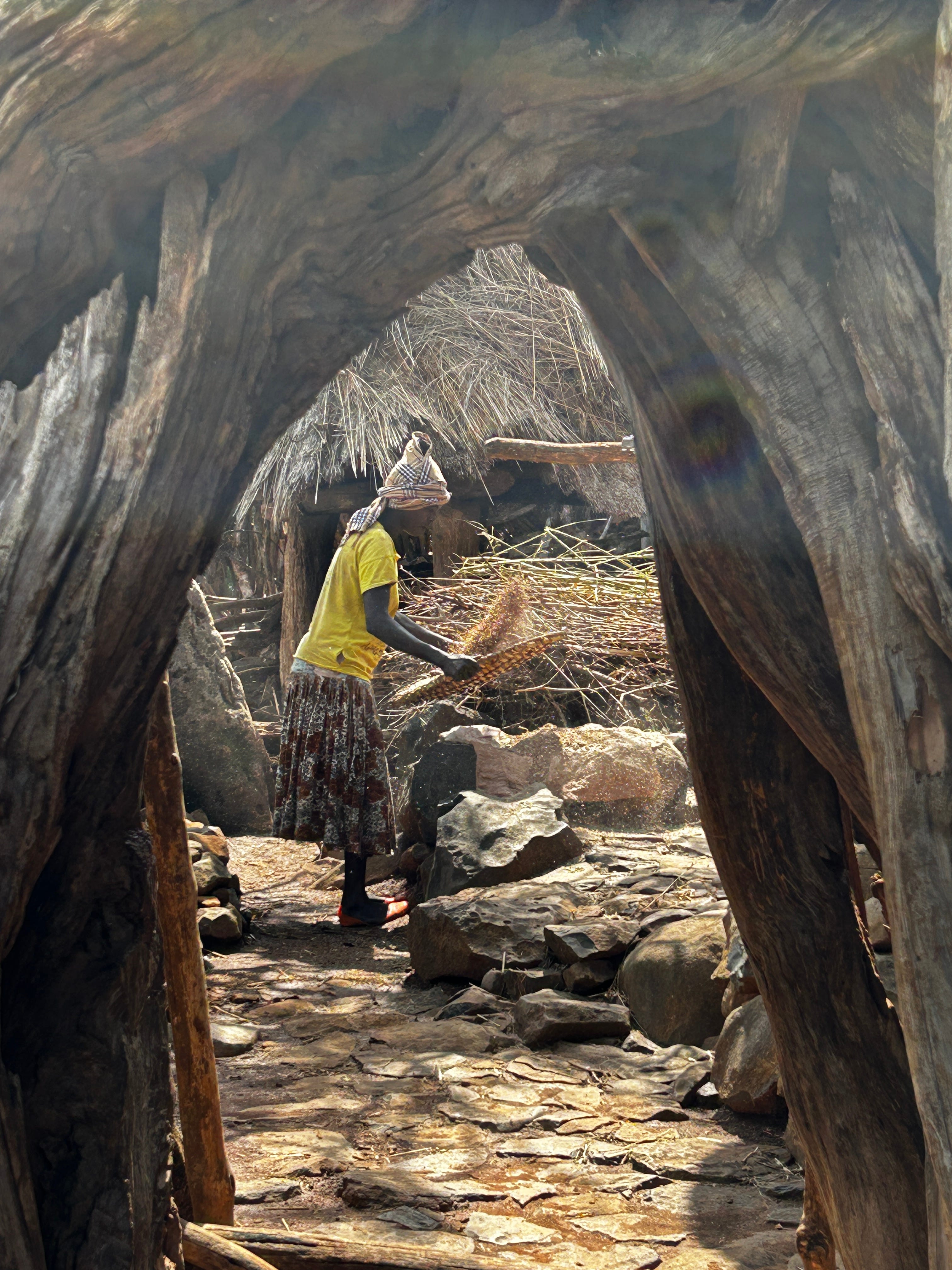


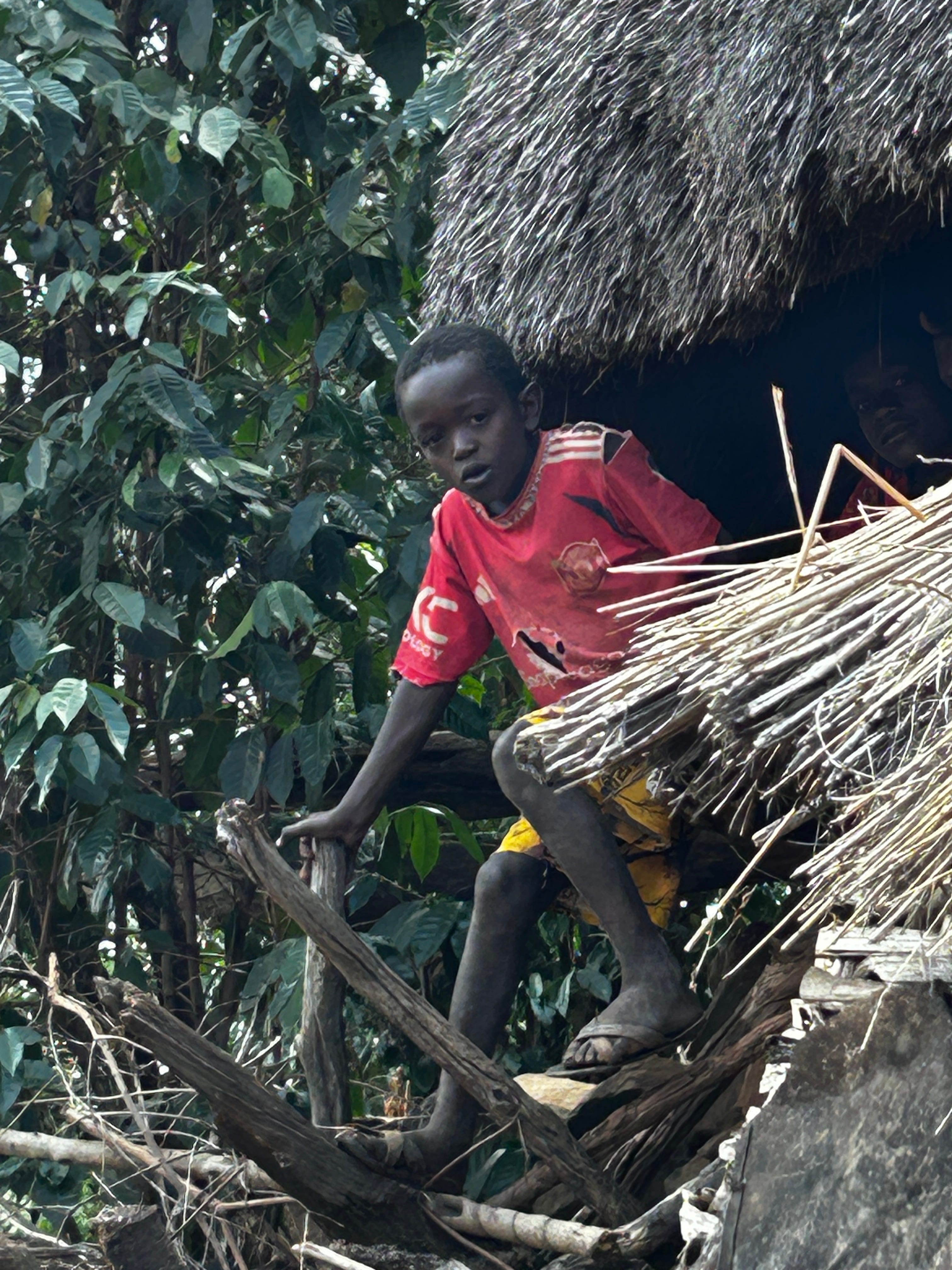
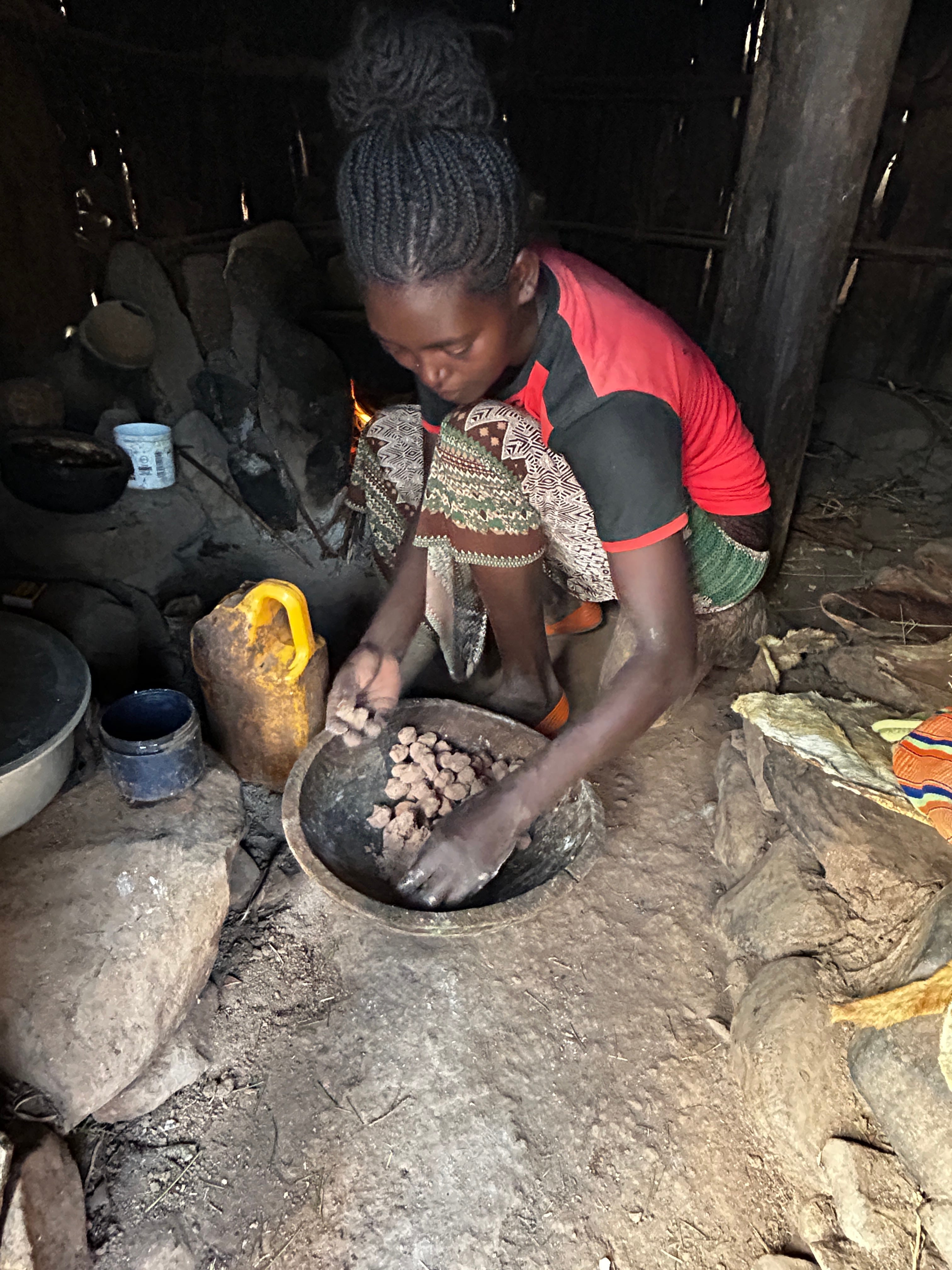
The next day we returned for lunch. The lady cooked it quickly, stripping a huge mass of morning leaves from their stems. She proceeded to make dumplings out of sorghum, small balls that were made deftly, with years of practice. She boiled the dumplings, and at the end threw in the morning leaves for a dry stew. Meanwhile, the neighbouring kids had accumulated, ogling at me, trying to figure out what I was doing.
The dish, kurkufa, was served in communal bowls, and we tasted tentatively at first and then greedily, it was delicious. The morninga is herby, the sorghum dumplings chewy and filling. This is a standard dish at her home often, easy to make, and made from the meagre produce of the land on hand.


We finished with cups of “cola” a strong brew made from the dried coffee leaves, spices and chillies. Thick, herby and spicy, it was the perfect way to end this hearty meal. I had purchased some mangoes from the Omo Valley as a gift, and I handed them over as a token of my gratitude. Our host smiled gratefully; she was glad to have shared this afternoon with use, showing us a brief window to life in a Konso community. Her grace will stay with me, the chicken that was there for eggs, and who tried to peck at the food, the goats that were happy with the stripped stems of morninga, the kids that came by to watch us and ended up with a plate of food.
For me, experiential travel, a now very overused term, is what it is about. I am not happy with walking through a village and paying a few kids or locals to have their photograph taken with me. This is not tick-the-box tourism, but spending the time, walking through the village slowly and understanding the community, its structure, its traditions and experiencing its daily life. Some folks will worry about cleanliness, or the fact that you are eating with a sheep looking over your shoulder, but this is life for these communities, and to understand it you must experience it in its rawest form.
But mostly, I am always grateful to my hosts who take the time, open their villages and homes to me, invite me in for a meal and talk to me about their traditions and culture. They have always been gracious, kind and welcoming, they do not do this for the few dollars we pay them, but to teach us about their way of life. We have a lot to learn, and I am always almost greedy for these experiences.
Zaf, you look fit and happy.